
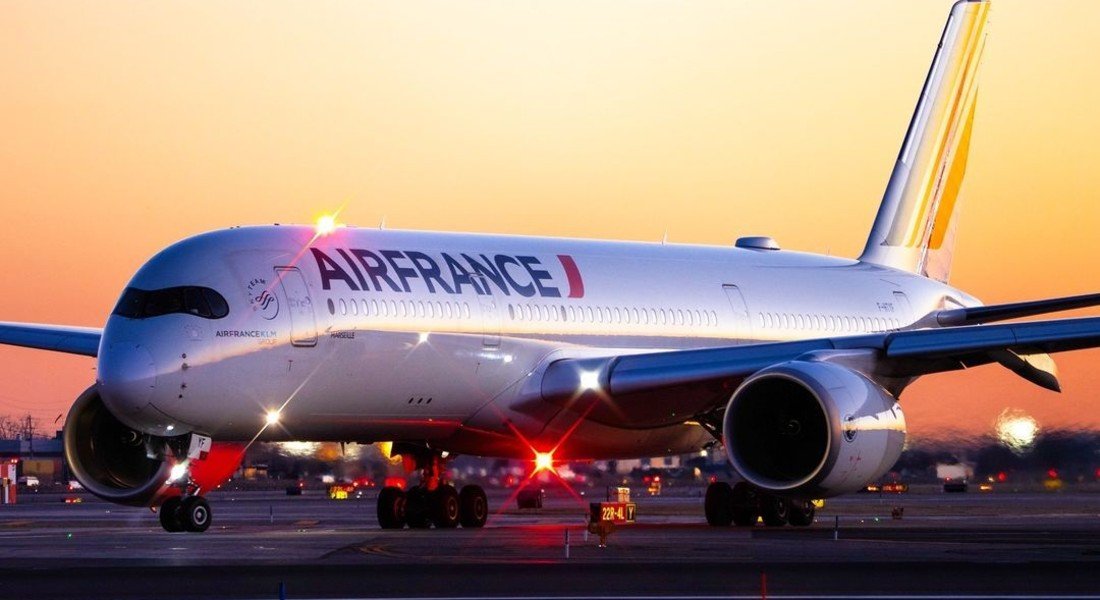
Air France A350 Chicago flight return events quickly dominate aviation headlines whenever a transatlantic airliner makes a sudden U-turn over the North Atlantic. Picture sitting in a comfortable widebody cabin at 35,000 feet, sipping French wine, and anticipating arrival in the Windy City. Suddenly, the flight tracking map shows your aircraft tracing a dramatic 180-degree loop off the coast of Greenland.
When long-haul commercial flights execute mid-air turnarounds, aviation enthusiasts and flight tracking communities jump into action instantly. Flightradar24, RadarBox, and aviation forums spark intense discussions trying to piece together the telemetry data. What causes a modern, flagship aircraft like the Airbus A350-900 to abort a scheduled crossing and head straight back to Paris Charles de Gaulle (CDG)?
Understanding the operational decisions behind transatlantic flight returns reveals a fascinating blend of international aviation protocols, mechanical redundancies, and passenger safety priorities. Let’s break down the mechanics of long-haul diversions, why flight trackers get caught off guard, and what happens behind the scenes when a modern jet turns around mid-flight.
The Anatomy of a Transatlantic Turnaround: Why Planes Return to Origin
When an aircraft encounters an anomaly halfway across the Atlantic Ocean, the flight crew faces a complex decision-making process. The primary mandate in commercial aviation is simple: safety always supersedes schedules. However, choosing where to land involves far more than picking the nearest strip of concrete.
Transatlantic routes operate under strict aviation frameworks known as EDTO/ETOPS (Extended Diversion Time Operations). Modern twin-engine aircraft like the Airbus A350 are certified to fly extended routes hours away from the nearest suitable diversion airport. Yet, when a non-emergency operational issue arises, returning to the origin hub often makes the most logistical sense.
Key Factors Governing Mid-Flight Diversions
- Hub Maintenance Capabilities: Paris CDG houses Air France’s primary engineering facilities, heavy maintenance hangars, and specialized technicians. Diverting to a remote airfield in Iceland or Canada might leave an aircraft stranded for days waiting for replacement parts.
- Passenger Care and Logistics: Returning to a major hub allows airlines to immediately rebook passengers onto alternative flights, arrange hotel accommodations, and manage baggage handling efficiently.
- Passenger Medical Emergencies: Severe medical events mid-flight often require immediate diversion to the closest medical facility, whereas non-critical issues allow for structured return paths.
- Technical Redundancies: The Airbus A350 features highly redundant systems. If a minor system experiences a fault—such as a backup generator issue or windshield heating malfunction—the plane can safely fly, but regulations may prevent it from entering oceanic airspace.
Flight crews constantly monitor aircraft telemetry. If a system light illuminates before entering the Oceanic Control Area (OCA), pilots will evaluate whether continuing across the Atlantic complies with safety minimums.
Why Flight Trackers Notice Air France A350 Diversions Instantly
In an era of ubiquitous digital flight monitoring, aviation enthusiasts monitor ADS-B (Automatic Dependent Surveillance-Broadcast) signals in real time. A sudden altitude drop, vector change, or squawk code instantly alerts thousands of users worldwide.
When an air france a350 chicago flight return occurs, digital trackers notice the anomaly long before official airline press releases go live.
How Radar Technology Catches Air France U-Turns
Modern tracking platforms aggregate data from ground receivers, satellite ADS-B, and oceanic radar networks. Here is how an unexpected flight path deviation unfolds on tracking screens:
- Path Divergence: The aircraft deviates from its assigned NAT (North Atlantic Track) entry point.
- Squawk Code Changes: Pilots switch the transponder code if an emergency or priority landing is requested (e.g., Squawk 7700 for emergencies).
- Holding Patterns and Fuel Dumping: Widebody jets departing CDG for Chicago O’Hare carry heavy fuel loads. Before landing, the aircraft may enter a holding pattern or dump fuel over designated maritime zones to reduce weight below maximum landing limits.
- Altimeter and Speed Fluctuations: Decelerating and descending out of optimal cruising altitudes signals an active routing change to air traffic control (ATC).
The sheer size and visibility of the Airbus A350 make these maneuvers stand out. As one of the quietest, most fuel-efficient long-haul aircraft in service today, any disruption to its routine flight path draws immediate scrutiny.
The Technology Inside the Airbus A350: Built for Transatlantic Reliability
To understand why a mid-flight return is an exercise in safety rather than panic, one must appreciate the engineering behind the Airbus A350. Designed to replace aging widebody jets, the A350 features state-of-the-art carbon-fiber composite structures, Rolls-Royce Trent XWB engines, and advanced fly-by-wire flight control systems.
Advanced Features of the Airbus A350 Fleet
| System / Feature | Operational Benefit | Safety / Diversion Impact |
| Composite Airframe (53%) | Reduces overall weight and corrosion risks | Enhances structural durability on long oceanic journeys |
| Rolls-Royce Trent XWB | Offers high fuel efficiency and reliability | Extended ETOPS rating allows safe single-engine operation if needed |
| Automated Emergency Descent | Automatically guides aircraft down during pressure loss | Reduces pilot workload in severe high-altitude emergencies |
| Real-time Health Monitoring | Transmits diagnostic telemetry directly to ground teams | Helps engineers diagnose issues while the plane is still airborne |
Because the A350 streams continuous telemetry to Air France maintenance control, engineers on the ground often analyze system alerts at the exact moment pilots see them on their Electronic Centralized Aircraft Monitor (ECAM). This real-time diagnostic capability plays a major role in deciding whether to turn back or press forward.
Operational Logistics: What Happens After a Long-Haul Return?
Turning a 300-passenger widebody jet around mid-flight triggers a massive operational response behind the scenes. It isn’t as simple as turning the key and parking at the gate. Ground management teams must coordinate multiple moving parts simultaneously.
The Passenger Perspective
- Rebooking Operations: Air France systems begin auto-rebooking passengers onto the next available flights to Chicago O’Hare (ORD) or partner airlines like Delta.
- Accommodation and Dining: Passengers receive digital vouchers for local airport hotels and meals during prolonged delays.
- Baggage Tracking: Automated luggage systems must locate and transfer hundreds of bags back to terminal carousels or connecting flights.
The Flight Crew Perspective
- Duty Time Limitations: Commercial pilots and cabin crew are bound by strict flight crew license duty rules. A 4-hour return flight means crew members may exceed their maximum allowed working hours, requiring a fresh crew for the rescheduled departure.
- Aircraft Inspection: Specialized technicians perform thorough ground checks to resolve the triggering fault, clear diagnostic logs, and conduct test cycles prior to re-certifying the plane for passenger service.
Frequently Asked Questions (AEO Section)
Why would an Air France flight from Paris to Chicago return to origin?
An Air France flight usually returns to Paris CDG due to precautionary technical issues, non-critical system warnings, or passenger medical events occurring before oceanic entry. Returning to the main hub ensures better engineering support and easier passenger rebooking than landing at remote diversion airports.
Is returning to the airport of departure safe during transatlantic flights?
Yes, returning to the departure airport is a standard precautionary procedure executed under strict safety protocols. Modern twin-engine aircraft like the A350 maintain full flight capability even with minor system alerts, allowing pilots to safely fly back to a major hub for inspection.
Do Air France A350 flights have to dump fuel before turning back?
If the aircraft is above its Maximum Landing Weight (MLW) due to a heavy transatlantic fuel load, pilots may dump fuel over safe oceanic sectors. This maneuver prevents structural strain on the landing gear and brakes during touchdown.
How can flight tracking apps detect a mid-flight diversion so quickly?
Flight tracking platforms monitor real-time ADS-B telemetry, transponder squawk codes, and route trajectories. When an aircraft leaves its assigned North Atlantic Track or makes a 180-degree turn, automated tracking algorithms flag the change instantly.
Practical Takeaways for Travelers Facing Unexpected Diversions
Unexpected mid-flight U-turns can be frustrating, but knowing how to navigate long-haul flight interruptions makes a significant difference:
- Keep Your Airline App Updated: Digital notifications often update faster than airport terminal displays. Air France sends direct flight updates and rebooking options through its mobile app.
- Know Your Passenger Rights: Under EU Regulation 261/2004, passengers traveling on European carriers are entitled to care, assistance, and potential compensation depending on the root cause of the delay.
- Carry Essential Items in Hand Luggage: Always keep medication, chargers, and basic toiletries in your carry-on bag in case an unexpected return grounds your flight overnight.
While a transatlantic U-turn disrupts travel plans, it ultimately highlights the uncompromising safety culture of modern commercial aviation. Flight tracking alerts may cause temporary internet buzz, but behind every diversion is a carefully calculated decision that puts human safety above everything else.

