
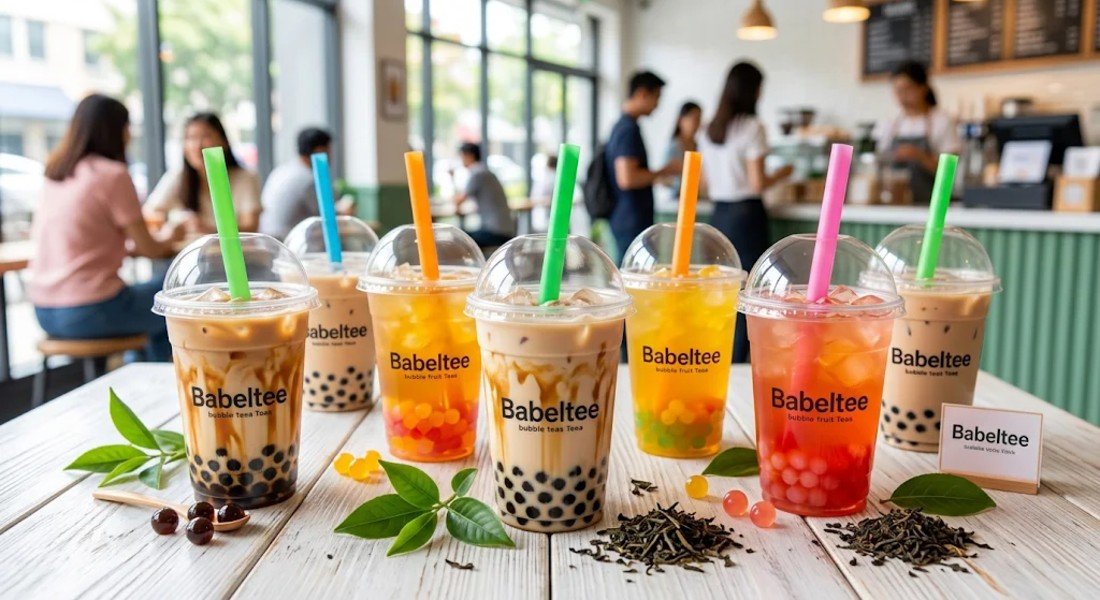
Bubble tea has become one of the most recognizable and enjoyable drinks around the world. Known for its colorful appearance, refreshing flavors, creamy textures, and chewy tapioca pearls, it offers a drinking experience that combines traditional tea with modern creativity. Whether served cold or warm, this popular beverage can be customized in countless ways to suit different tastes.
Babeltee is a useful keyword for exploring this style of tea-based beverage, including its ingredients, popular varieties, preparation methods, and possible nutritional benefits. From classic milk tea to fruit-infused combinations, understanding how bubble tea is made can help you appreciate its versatility and even prepare your own version at home.
In this guide, we will explore the essential ingredients, different tea varieties, potential health benefits, preparation tips, and important considerations for enjoying Babeltee-inspired drinks.
What Is Babeltee?
Babeltee can be discussed as a tea-based beverage concept inspired by the popular bubble tea tradition. Bubble tea, also called boba tea or pearl milk tea, originated in Taiwan during the 1980s and gradually became popular in countries across Asia, Europe, North America, and other parts of the world.
The drink traditionally combines brewed tea with milk or fruit flavoring and chewy tapioca pearls. However, modern versions include many additional ingredients, such as fruit jelly, popping boba, flavored syrups, and cream-based toppings.
One of the main reasons for its popularity is customization. Customers can choose their preferred tea base, sweetness level, ice quantity, milk alternatives, and toppings. This flexibility makes it suitable for people with different flavor preferences.
Unlike traditional tea, which is generally served without additional textures, bubble tea offers a combination of liquid and chewable ingredients. This distinctive feature makes every sip a little different.
The Origins and Popularity of Bubble Tea
Bubble tea developed in Taiwan during the 1980s. Although different accounts describe its early creation, the beverage is commonly associated with Taiwanese tea shops experimenting with cold tea, milk, sugar, and tapioca pearls.
The drink quickly attracted attention because it offered something different from ordinary iced tea. Its combination of sweetness, tea flavor, and chewy toppings created a new beverage experience.
As international interest in Taiwanese food and drinks increased, bubble tea shops began appearing in major cities around the world. Businesses introduced new flavors and creative combinations to attract customers.
Today, bubble tea is available in numerous forms, ranging from traditional milk tea to modern fruit-based drinks. Social media has also contributed to its popularity by showcasing colorful beverages, attractive packaging, and creative toppings.
Main Ingredients Used in Babeltee
The ingredients used in a Babeltee-inspired drink depend on the recipe. However, several basic components are commonly associated with bubble tea.
1. Tea Base
Tea is the foundation of many bubble tea recipes. It provides the main flavor and can influence the drink’s aroma, color, and caffeine content.
Popular options include:
- Black tea: Offers a strong, slightly malty flavor and works particularly well with milk.
- Green tea: Provides a lighter, fresher taste with subtle grassy notes.
- Oolong tea: Has a distinctive flavor that can range from floral to roasted.
- Jasmine tea: Adds a pleasant floral aroma and delicate taste.
- Matcha: Creates a rich green color and earthy flavor.
Choosing the right tea base is important because it determines much of the final beverage’s character.
2. Tapioca Pearls
Best Practices for Ingredient Storage and Handling — Sunwide Bubble Tea
Tapioca pearls are among the most recognizable ingredients in traditional bubble tea. They are generally made from tapioca starch, which comes from cassava roots.
These small, round pearls are cooked in water until they become soft and chewy. They are often soaked in brown sugar syrup to provide additional sweetness and flavor.
Their texture is one of the main reasons people enjoy bubble tea. However, tapioca pearls primarily contribute carbohydrates and do not provide significant amounts of protein, vitamins, or minerals.
3. Milk and Dairy Alternatives
Milk gives bubble tea a smooth, creamy texture. Traditional recipes often use dairy milk or milk-based creamers.
Other available options include:
- Soy milk
- Almond milk
- Oat milk
- Coconut milk
- Lactose-free milk
Each option produces a slightly different taste and consistency. Plant-based alternatives can also make it easier for people avoiding dairy to enjoy the beverage.
4. Sweeteners and Flavorings
Sweeteners help balance the natural bitterness of tea. Common choices include white sugar, brown sugar, honey, and flavored syrups.
Some recipes also use vanilla, caramel, chocolate, or fruit-based flavorings.
The amount of sweetener can significantly affect the drink’s calorie and sugar content. Choosing a lower sweetness level is a simple way to make a more balanced beverage.
5. Additional Toppings
Modern bubble tea offers several toppings beyond traditional tapioca pearls.
Popular choices include:
- Fruit jelly
- Coconut jelly
- Popping boba
- Grass jelly
- Aloe vera
- Cheese foam
- Whipped cream
These additions provide different textures and flavors, allowing customers to create personalized combinations.
Popular Types of Babeltee and Bubble Tea
There are many varieties of bubble tea, and each offers a different combination of flavor, texture, and ingredients.
網路票選「台灣最頂珍奶」!第1名拿近5成票數,網友加碼列遺珠清單
Matcha milk tea with boba Nutrition
🌟 Сезонный Bubble Tea: вкусно, ярко и для любого сезона!
8
1. Classic Milk Tea
Classic milk tea is one of the most popular varieties. It combines black tea, milk, sugar, and tapioca pearls. Its smooth texture and balanced tea flavor make it a good starting point for beginners.
2. Brown Sugar Milk Tea
Brown sugar milk tea is known for its rich sweetness and attractive syrup patterns along the inside of the glass. It usually contains milk, tapioca pearls, and brown sugar syrup.
3. Fruit Tea
Fruit tea is a refreshing alternative to creamy milk-based drinks. It combines brewed tea with fruit juices, purees, or flavored syrups.
Popular fruit flavors include:
- Mango
- Strawberry
- Peach
- Passion fruit
- Lychee
- Lemon
Fruit tea is often served with ice and can include popping boba or fruit jelly.
4. Matcha Bubble Tea
Matcha bubble tea combines Japanese powdered green tea with milk or a plant-based alternative. It has a distinctive green color and an earthy flavor.
People who enjoy traditional green tea often appreciate this variety because it combines familiar tea characteristics with the texture of bubble tea.
5. Taro Bubble Tea
Taro bubble tea is recognized by its light purple appearance and creamy consistency. Taro is a starchy root vegetable commonly used in Asian cooking.
Depending on the recipe, the beverage may contain taro paste, milk, sweetener, and tapioca pearls. Its flavor is generally mild, slightly nutty, and naturally earthy.
6. Oolong Bubble Tea
Oolong bubble tea offers a more distinctive tea flavor. Oolong tea falls between green and black tea in terms of oxidation, creating a range of possible aromas and tastes.
It can be served with milk, fruit flavors, or simply over ice.
Potential Health Benefits of Babeltee
Bubble tea is primarily enjoyed as a refreshing treat rather than a health supplement. Nevertheless, certain ingredients may offer nutritional benefits depending on how the beverage is prepared.
1. Tea Contains Antioxidants
Black, green, and oolong teas contain naturally occurring plant compounds called polyphenols. These compounds have antioxidant properties and are studied for their potential role in supporting general health.
Green tea, for example, contains catechins, while black tea contains theaflavins and other polyphenols.
However, the nutritional value of the finished drink depends on its ingredients and preparation.
2. Milk Can Provide Nutrients
Milk-based bubble tea may provide calcium, protein, and vitamin B12. These nutrients contribute to normal bone health and other important body functions.
The nutritional content varies according to the type and quantity of milk used. Plant-based alternatives also differ, so checking their nutritional labels can be helpful.
3. Fruit Ingredients Can Add Nutritional Value
Fresh fruit and fruit purees can contribute vitamins, minerals, and plant compounds to bubble tea.
For example, mangoes contain vitamin A precursors, while strawberries provide vitamin C. However, fruit-flavored syrups should not be confused with fresh fruit because they may contain substantial added sugar.
4. A Refreshing Alternative to Some Sweet Drinks
A lightly sweetened tea-based drink can be an enjoyable alternative to heavily sweetened soft drinks.
Choosing brewed tea, moderate portions, and less added sugar can help make it a more balanced beverage.
Important: These potential benefits come from individual ingredients, not from any proven special health effect of Babeltee itself. Bubble tea should not replace water, nutritious meals, or other healthy habits.
Possible Disadvantages and Health Considerations
Although bubble tea can be enjoyable, its nutritional profile deserves attention.
High Sugar Content
Many commercial bubble tea recipes contain sugar from syrups, sweetened milk, powders, and tapioca toppings. Drinking large portions frequently may contribute to excessive added-sugar intake.
A simple solution is to request less sugar or prepare the drink at home with a controlled amount of sweetener.
High Calorie Content
Creamers, condensed milk, sweetened toppings, and large servings can increase the calorie content of bubble tea.
People monitoring their calorie intake may prefer smaller portions and simpler recipes.
Limited Nutritional Value of Tapioca Pearls
Tapioca pearls mainly provide starch and carbohydrates. Although they contribute a distinctive texture, they are not particularly rich in protein, fiber, or essential micronutrients.
Caffeine Sensitivity
Black, green, matcha, and oolong teas naturally contain caffeine. People who are sensitive to caffeine may experience sleep disturbances or other unwanted effects if they consume too much.
Choosing a caffeine-free herbal infusion or a decaffeinated tea alternative can be helpful.
For more detailed nutritional information, see WebMD’s guide to boba tea health benefits and nutritional information. WebMD+1
How to Prepare Babeltee at Home
How to Make Pearl Milk Tea: A Complete Guide
Preparing a bubble tea-inspired drink at home is relatively simple. You can experiment with different tea bases, sweeteners, and toppings until you find a combination you enjoy.
Ingredients
For approximately two servings, you will need:
- 2 tablespoons of black tea leaves or 2 tea bags
- 2 cups of water
- ½ cup of tapioca pearls
- 1–2 tablespoons of brown sugar
- 1 cup of milk or plant-based milk
- Ice cubes
- Optional vanilla or fruit flavoring
Step 1: Prepare the Tea
Bring water to a boil and add black tea leaves or tea bags. Allow the tea to steep for approximately 4–5 minutes, depending on your preferred strength.
Remove the tea leaves or bags and allow the brewed tea to cool. You can refrigerate it if you want a cold drink.
Step 2: Cook the Tapioca Pearls
Bring a separate pot of water to a boil. Add the tapioca pearls and cook them according to the instructions on their packaging.
Cooking times vary between traditional and quick-cooking pearls, so always follow the manufacturer’s directions.
Once cooked, allow them to rest if instructed, then drain them carefully.
Step 3: Add Brown Sugar
Place the cooked pearls in a small bowl and mix them with brown sugar or a little prepared syrup.
This gives the pearls a sweeter taste and helps prevent them from sticking together.
Step 4: Mix the Ingredients
Add the cooled tea and milk to a shaker or suitable container. Add your preferred amount of sweetener and shake until the ingredients are combined.
You can adjust the milk quantity to achieve your desired consistency.
Step 5: Assemble Your Drink
Add the prepared tapioca pearls to the bottom of a serving glass. Pour the tea and milk mixture over them and add ice cubes.
Stir gently and serve immediately with a wide reusable straw or spoon.
Your homemade bubble tea is ready to enjoy!
For another practical recipe reference, explore BBC Good Food’s homemade bubble tea recipe. BBC Good Food+1
Helpful Tips for Making Better Babeltee
A few simple techniques can make a noticeable difference in the taste and texture of your homemade drink.
Choose quality tea: Good-quality tea leaves or tea bags provide a stronger and more enjoyable flavor.
Avoid overcooking pearls: Tapioca pearls should be soft and chewy rather than excessively mushy. Follow the package instructions carefully.
Control sweetness: Start with a small amount of sugar and add more only if needed.
Experiment with milk alternatives: Oat, almond, and soy milk can create different flavor combinations.
Use fresh ingredients: Freshly brewed tea and properly prepared toppings generally provide better flavor.
Serve promptly: Cooked tapioca pearls are best enjoyed fresh because their texture can change during storage.
Try different combinations: Experiment with fruit, matcha, jasmine tea, or brown sugar to discover your favorite recipe.
How to Choose the Right Babeltee Variety
The best variety depends on your personal taste and the experience you want.
- If you enjoy creamy drinks, classic milk tea or taro milk tea may be suitable.
- If you prefer refreshing beverages, try mango, peach, or passion fruit tea.
- If you like stronger tea flavors, consider black or oolong tea.
- If you enjoy earthy flavors, matcha bubble tea is worth exploring.
- If you prefer less sweetness, choose unsweetened brewed tea with a small amount of milk.
You do not need to add every available topping. Sometimes a simple combination of tea, milk, and a moderate serving of tapioca pearls creates the most satisfying drink.
Frequently Asked Questions (FAQs)
1. Is Babeltee the Same as Bubble Tea?
Babeltee is the keyword used in this guide, while bubble tea is the established name of the Taiwanese beverage made with tea, milk or fruit flavoring, and optional toppings such as tapioca pearls.
2. What Are Tapioca Pearls Made From?
Traditional tapioca pearls are made primarily from tapioca starch extracted from cassava roots. They are cooked in water to develop their characteristic chewy texture.
3. Can I Make Babeltee Without Milk?
Yes. You can prepare a refreshing fruit-based version using brewed tea, fruit juice, water, and toppings. Plant-based milk is another option if you prefer a creamy drink without dairy.
4. Does Bubble Tea Contain Caffeine?
Most bubble teas made with black, green, oolong, or matcha tea contain caffeine. The amount depends on the tea type, serving size, and brewing method.
5. Is Bubble Tea Suitable for Everyday Consumption?
It depends on the ingredients, portion size, and amount of added sugar. A lightly sweetened version can fit into a balanced diet, but heavily sweetened varieties are better enjoyed occasionally.
6. Can I Prepare Bubble Tea in Advance?
You can brew and refrigerate the tea ahead of time. However, tapioca pearls are best prepared shortly before serving because refrigeration can change their texture. Follow food-safety guidance when storing drinks containing milk.
Conclusion
Babeltee represents an opportunity to explore the creativity and variety of modern tea-based beverages. Inspired by the popular Taiwanese bubble tea tradition, these drinks combine traditional tea flavors with milk, fruit, sweeteners, and enjoyable toppings.
From classic milk tea and brown sugar boba to refreshing fruit tea and matcha combinations, there are plenty of options to explore. Understanding the ingredients and preparation methods also makes it easier to create a drink that matches your taste and nutritional preferences.
Although bubble tea is best enjoyed in moderation, choosing quality ingredients, controlling added sugar, and experimenting with different tea varieties can make the experience more enjoyable.
Whether you purchase it from a local tea shop or prepare it in your kitchen, Babeltee-inspired beverages offer an interesting way to enjoy tea with a modern twist.

