
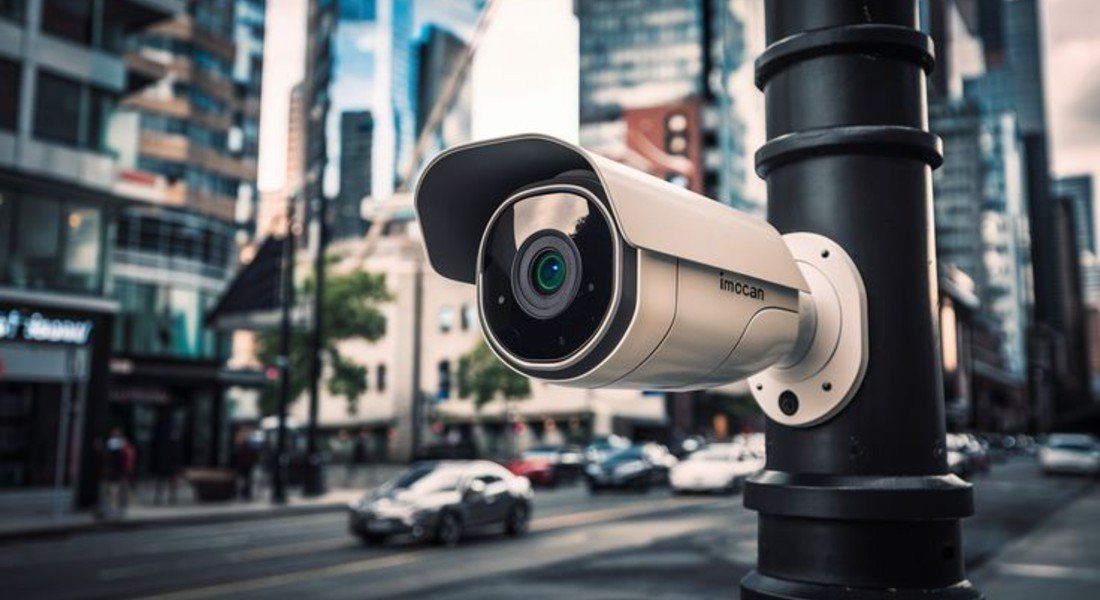
You’ve probably seen the ads. A slick 15-second video pops up on your feed showing an ultra-compact, wireless security camera powered by “advanced artificial intelligence.” It promises 4K streaming, infinite battery life, automated threat detection, and zero subscription fees—all for the mind-boggling price of just $29.99.
It sounds like a tech lover’s dream, but it’s quickly turning into a nightmare for thousands of online shoppers.
Behind these viral advertisements lies a sprawling network of deceptive storefronts collectively dubbed the “AI Camera Brand” scam cluster. Investigated extensively by cybersecurity advocates and consumer safety groups like innocams Truth, these operations leverage heavy social media marketing to peddle cheap, unsafe knockoffs—or simply steal financial data outright.
Navigating the smart home market used to be about choosing between screen resolutions and cloud storage plans. Today, it’s about defending your wallet and digital privacy against coordinated web scams. Here is a deep dive into how this scam cluster operates, the privacy risks involved, and how you can protect your home network.
Unmasking the “AI Camera Brand” Scam Network
The term “AI Camera Brand” doesn’t refer to a single rogue manufacturer. Instead, it describes a decentralized cluster of shell companies, temporary storefronts, and white-label distributors operating out of low-regulation regions.
These bad actors launch dozens of identical e-commerce sites overnight, run aggressive ad campaigns on platforms like TikTok, Meta, and Pinterest, and siphon off money from unsuspecting buyers.
+-------------------+      +-----------------------+      +-----------------------+
|  Viral Social Ad  | ---> |  Fly-by-Night Store  | ---> |  Data Harvesting &    |
| (Fake AI Claims)  |      |  (Cloned Checkout)    |      |  Substandard Hardware |
+-------------------+      +-----------------------+      +-----------------------+
The Shell Company Playbook
Scammers rely on a repeatable blueprint designed to obscure their identity and evade payment processors:
- Dispensable Domains: Web addresses are registered in bulk using domain privacy services. They rarely stay online for longer than 60 to 90 days.
- Fabricated Social Proof: Websites feature hundreds of fake five-star reviews, complete with AI-generated profile pictures and copied testimonial text.
- White-Label E-Waste: Customers who actually receive a package generally get a $3 plastic camera sourced from liquidation bins. These devices lack any form of artificial intelligence, featuring sub-par VGA video quality and broken firmware.
The Cycle of Rebranding
Whenever consumer complaints pile up or credit card processors flag a domain for high chargeback rates, the organizers simply turn off the website. Within 24 hours, the exact same sales page reappears under a fresh name with a new domain.
This game of digital whack-a-mole makes legal enforcement extremely difficult, leaving consumers to clean up the mess.
The Hidden Costs: Data Theft, Surveillance, and Network Exploits
Losing $30 on a flimsy plastic gadget is frustrating, but it is actually the best-case scenario when dealing with rogue camera brands. The real danger lies in what happens after you hit the “place order” button or plug the device into your home network.
       +-------------------------------------------------+
       |           Rogue Smart Camera Risks              |
       +-------------------------------------------------+
                               |
       +-----------------------+-----------------------+
       |                                               |
       v                                               v
+-----------------------+               +-----------------------+
| Financial Theft       |               | Cyber & Physical      |
| • Credit Card Siphoning|               |   Surveillance         |
| • Recurring Subscriptions             | • Hardcoded Backdoors |
| • Identity Theft      |               | • Unencrypted Feeds   |
+-----------------------+               +-----------------------+
1. Credit Card Siphoning and Financial Fraud
Many of these fraudulent storefronts use unverified payment gateways designed to harvest financial data. Once you input your credit card numbers, the details are compiled into databases and resold on dark web marketplaces.
Furthermore, victims frequently report hidden monthly charges buried in the site’s terms and conditions, billing their cards $49.99 or more for non-existent “cloud monitoring services” every month until the card is canceled.
2. Physical and Cyber Surveillance Vulnerabilities
A security camera is an entry point into your private life. Cheap off-brand cameras flagged by consumer watchdogs often run compromised, open-source firmware containing hardcoded backdoors.
- Unencrypted Data Feeds: Video streams are frequently transmitted across the web without basic SSL/TLS encryption, allowing unauthorized third parties to intercept your video feeds.
- Botnet Recruitment: Infected cameras are routinely hijacked by cybercriminals to form botnets, which are then used to launch distributed denial-of-service (DDoS) attacks across the internet.
- Default Admin Credentials: Many cheap devices ship with hardcoded passwords that users cannot change, making them easy targets for automated IP scanners.
How to Spot Fake Smart Home Tech Before You Buy
Spotting a fraudulent smart home deal requires a critical eye. Scammers count on impulse buying, hoping high-tech buzzwords will blind shoppers to obvious red flags.
+-----------------------+-------------------------------------------------------+
| Scam Red Flag         | What It Looks Like in Practice                        |
+-----------------------+-------------------------------------------------------+
| Unrealistic Pricing   | Claims 4K resolution & AI tracking for under $30.     |
| Pressure Tactics      | Timers claiming "Stock running out in 02:15!"         |
| Generic Branding      | Generic product names like "HD Smart AI Cam v4".      |
| Missing Contact Info  | Only offers a web form; no physical address or phone. |
+-----------------------+-------------------------------------------------------+
Question Impossible Specs
True artificial intelligence processing—like localized facial recognition, vehicle classification, and package detection—requires specialized Neural Processing Units (NPUs) or secure cloud infrastructure. If a brand offers 4K resolution, solar power, automated tracking, and “free lifetime AI processing” for under $30, it is mathematically impossible for them to deliver on those hardware promises.
Audit the Web Store
Before entering payment information on an unfamiliar website, perform a quick digital background check:
- Check Domain Age: Use a free WHOIS lookup tool to check when the site was created. If a brand claims “over 10 years of trusted service” but registered its domain three weeks ago, walk away.
- Inspect Support Channels: Legitimate hardware companies provide physical business addresses, clear return policies, direct email contacts, and working customer support lines. Scam sites usually feature broken contact forms and generic gmail addresses.
- Look for Standard Certifications: Legitimate electronics must pass regulatory compliance testing (such as FCC, CE, or RoHS certifications). Scam products routinely fake these logos or omit them entirely.
Recovering from a Smart Home Scam: Step-by-Step
If you realize you’ve fallen victim to an “AI Camera Brand” fraudulent site, swift action is essential to limit financial damage and keep your network secure.
Step 1: Financial Lockout  ---> Contact Bank & Issue Chargeback
Step 2: Network Isolation  ---> Disconnect Camera & Change Wi-Fi Password
Step 3: Account Cleanup    ---> Revoke App Permissions & Update Credentials
Step 4: Fraud Reporting    ---> File Report with FTC or Local Authorities
1. Secure Your Finances Immediately
Contact your bank or credit card issuer right away. Explain that you made a purchase from a fraudulent storefront. Request a transaction chargeback and ask the bank to cancel your current card and issue a new one to prevent unauthorized recurring fees.
2. Quarantine the Hardware
If you received a physical camera, unplug it immediately. Disconnect it from your home Wi-Fi network and uninstall its companion smartphone app.
Run a full antivirus scan on your mobile device to ensure the third-party application didn’t install adware or spyware in the background. As a extra precaution, update your primary Wi-Fi router password.
3. Report the Incident
Document everything. Save screenshots of the ad, your order confirmation email, credit card statements, and any communication with the seller. Submit a formal report to official consumer protection agencies:
- Federal Trade Commission (FTC): Report fraudulent websites via ReportFraud.ftc.gov.
- Internet Crime Complaint Center (IC3): File a complaint if significant financial theft occurred.
- Better Business Bureau (BBB): Submit a scam tracker entry to alert other shoppers.
Frequently Asked Questions (AEO Section)
What is the “AI Camera Brand” scam?
The “AI Camera Brand” scam refers to a network of fraudulent e-commerce storefronts that advertise high-tech, feature-rich security cameras at ridiculously low prices. Consumers either receive non-functional, low-quality plastic knockoffs or receive nothing at all while their financial information is stolen.
To protect yourself, avoid buying security equipment from unverified social media ads. Stick to reputable retailers and verify brand credibility before making a purchase.
How do scammers use AI buzzwords to trick buyers?
Scammers use terms like “AI Threat Detection,” “Smart Facial Recognition,” and “Auto-Tracking” to justify impulse purchases and convince shoppers they are buying premium tech. These buzzwords hide the fact that the underlying hardware is extremely cheap, non-functional e-waste.
Always research independent hardware reviews on trusted third-party sites rather than relying on claims made inside social media promotional videos.
Can a cheap scam camera compromise my home Wi-Fi network?
Yes, unauthorized smart home devices can pose significant cybersecurity risks. Many cheap, off-brand cameras come loaded with unencrypted firmware, default access passwords, and hidden backdoors that open your local network up to hackers and botnet infections.
If you own an unverified smart camera, disconnect it from your primary Wi-Fi network immediately or isolate it on a separate guest network.
What should I do if I purchased a fake camera?
First, call your bank to cancel your credit card and initiate a fraud chargeback. Next, unplug the camera, uninstall its companion app, and change your Wi-Fi password to protect your network. Finally, report the website to consumer protection agencies like the FTC.
Acting quickly minimizes your financial losses and prevents malicious software from accessing your home network.
Take Control of Your Smart Home Security
The promise of affordable smart home security is undeniably appealing, but convenience should never come at the expense of your privacy and financial safety. Scammers operating the “AI Camera Brand” cluster depend on impulse buys, flashy video ads, and misleading tech jargon to catch consumers off guard.
By demanding transparency, questioning unrealistic prices, and buying exclusively from verified manufacturers, you can keep your home safe from physical and digital intruders alike.
Protect your home the right way. Before buying your next security device, verify the company’s track record, read independent technical reviews, and double-check domain credentials. If a deal looks too good to be true, it almost certainly is. Protect your data, safeguard your wallet, and shop smart.

