
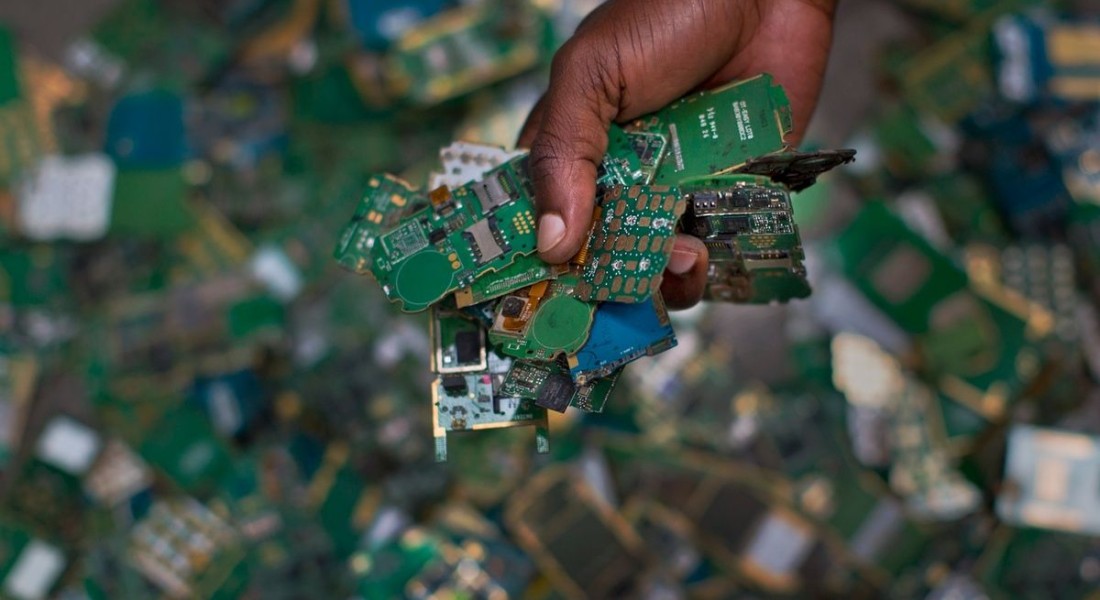
Tablets have become one of the most common personal electronics on the planet. They sit on kitchen counters, travel in school backpacks, and get replaced every few years as new models arrive. What happens to the old ones is a question most people never stop to ask. The answer matters more than it seems, because tablets contain a mix of valuable metals, hazardous materials, and personal data that all need to be handled correctly once a device reaches the end of its useful life.
This article explains why tablet recycling matters, how the recycling process actually works, and how it connects to the broader goal of tablet sustainability — using devices in a way that reduces environmental harm across their entire lifecycle, from manufacturing to disposal.
The Scale of the Tablet Waste Problem
Every tablet is built from a dense combination of materials: aluminum or glass casings, lithium-ion batteries, rare earth elements, copper wiring, and printed circuit boards containing gold, silver, and palladium. Producing these components requires mining, refining, and manufacturing processes that consume significant energy and water.
When a tablet is thrown away instead of recycled, none of that embedded value is recovered. Instead, the device ends up in a landfill, where batteries can leak toxic substances like lead, cadmium, and lithium compounds into soil and groundwater. Electronics are also a fast-growing category of waste worldwide, driven by short upgrade cycles, falling prices, and planned obsolescence in some product lines. Tablets are a meaningful part of that stream because they are replaced more often than larger devices like desktop computers.
Why Tablet Recycling Matters
1. It Conserves Finite Natural Resources
Tablets rely on materials that are difficult and environmentally costly to extract, including rare earth elements used in screens and speakers, and cobalt and lithium used in batteries. Recycling recovers these materials so they can be reused in new products, reducing the need for fresh mining. This is one of the clearest, most measurable benefits of electronics recycling and a core pillar of tablet sustainability.
2. It Prevents Toxic Materials From Entering the Environment
Lithium-ion batteries, the power source in virtually every modern tablet, are not safe to dispose of in regular trash. Damaged batteries can overheat, ignite, or leak corrosive chemicals. Certified recycling facilities are equipped to discharge, dismantle, and process batteries safely, preventing contamination of soil, waterways, and air.
3. It Reduces the Carbon Footprint of Electronics
Manufacturing a new tablet from raw materials requires far more energy than reprocessing recovered materials into new components. Studies on electronics manufacturing consistently show that the production phase, not the use phase, accounts for the majority of a device’s lifetime carbon emissions. Recycling directly reduces demand for virgin material production, which lowers the overall carbon footprint of the electronics industry.
4. It Protects Personal Data
Tablets store emails, photos, banking apps, passwords, and other sensitive information. A device that is discarded without proper data destruction can expose its previous owner to identity theft or privacy breaches. Reputable recyclers follow certified data destruction standards, wiping or physically destroying storage components before any material is processed further.
5. It Supports a Circular Economy
Rather than following a linear “make, use, dispose” model, recycling allows materials to flow back into production, creating a circular system. This reduces dependence on mining, supports job creation in refurbishment and materials recovery industries, and extends the practical life of components that would otherwise be wasted.
How Tablet Recycling Actually Works
Tablet recycling is a multi-stage process designed to recover materials safely and maximize reuse. While specific steps vary by recycler, most certified programs follow a similar sequence.
Step 1: Collection
Tablets enter the recycling stream through take-back programs run by manufacturers, retail drop-off bins, municipal e-waste collection events, or mail-back recycling services. Some organizations also collect used tablets for refurbishment rather than material recovery, particularly if the device still functions.
Step 2: Sorting and Assessment
Once collected, each device is inspected to determine its condition. Functional tablets in good shape are often set aside for refurbishment and resale, which is the most resource-efficient outcome because it avoids the need for new manufacturing entirely. Devices that are broken, outdated, or unsellable move on to material recovery.
Step 3: Data Destruction
Before any dismantling begins, storage components are wiped using certified software methods or physically destroyed if the device cannot be reused. This step is treated as non-negotiable by reputable recyclers because of the sensitive personal data tablets commonly contain.
Step 4: Manual and Mechanical Disassembly
Technicians remove batteries separately, since lithium-ion cells require dedicated handling to avoid fire risk. The remaining device is then broken down into component categories: glass screens, plastic housings, circuit boards, and metal frames. Some facilities use automated shredding equipment for this stage, while others rely on manual disassembly for higher-value components.
Step 5: Material Separation
Shredded or disassembled materials are separated using a combination of methods, including magnetic separation for ferrous metals, eddy current separators for non-ferrous metals like aluminum and copper, and optical or density-based sorting for plastics and glass.
Step 6: Refining and Recovery
Circuit boards and other metal-rich components are sent to specialized refineries where precious metals such as gold, silver, and palladium are extracted through smelting or chemical refining processes. Recovered plastics are cleaned and pelletized for reuse in new manufacturing, while batteries are processed separately to recover lithium, cobalt, and nickel.
Step 7: Reintroduction Into Manufacturing
The final recovered materials are sold back into supply chains, where they are used to manufacture new electronics, batteries, construction materials, or other products. This closes the loop and reduces the demand for newly mined raw materials.
What Consumers Can Do to Support Tablet Sustainability
Individual choices play a real role in how much material gets recovered and how safely it happens. A few practical steps make a meaningful difference:
- Use manufacturer take-back programs, which are often free and designed to handle data destruction and material recovery correctly.
- Choose certified recyclers that follow recognized standards for responsible electronics recycling and data security.
- Back up and factory-reset devices before recycling or donating them, even if the recycler also performs data destruction.
- Consider refurbishment or resale first, since extending a tablet’s usable life has a lower environmental impact than recycling it for parts.
- Avoid storing broken tablets indefinitely, since delayed recycling means materials sit unused instead of being recovered.
Together, these actions support tablet sustainability by keeping devices in use longer, ensuring safe material recovery, and reducing the volume of electronic waste that ends up improperly discarded.
Frequently Asked Questions
Why can’t tablets go in regular household recycling bins? Standard recycling facilities are not equipped to safely handle lithium-ion batteries or the mix of metals, plastics, and glass found in a tablet. These devices need specialized processing at certified e-waste facilities.
Does recycling a tablet actually make a measurable environmental difference? Yes. Recovering metals and plastics from existing devices reduces the need for new mining and manufacturing, which are the most energy- and resource-intensive stages of a tablet’s lifecycle.
Is it safe to recycle a tablet without wiping it first? It is safer to factory-reset a device before recycling, even when using a certified recycler, since this adds an extra layer of protection for personal data.
What happens to tablets that still work when they’re recycled? Functional devices are typically set aside for refurbishment and resale rather than being broken down for materials, since reuse is more resource-efficient than recycling.
Can all parts of a tablet be recycled? Most components can be recovered, including metals, glass, and many plastics, though recovery rates vary by material and by the technology available at a given facility.
Conclusion
Tablet recycling is not just an environmental afterthought; it is a critical part of managing the full lifecycle of a device that most people replace every few years. From conserving rare materials and reducing carbon emissions to protecting personal data and supporting a circular economy, the reasons to recycle responsibly are significant and measurable. Understanding how the process works — from collection and data destruction to material recovery and refining — makes it easier to see why proper disposal matters. Choosing certified recycling programs and prioritizing reuse when possible are practical steps that directly support tablet sustainability, one device at a time.

