
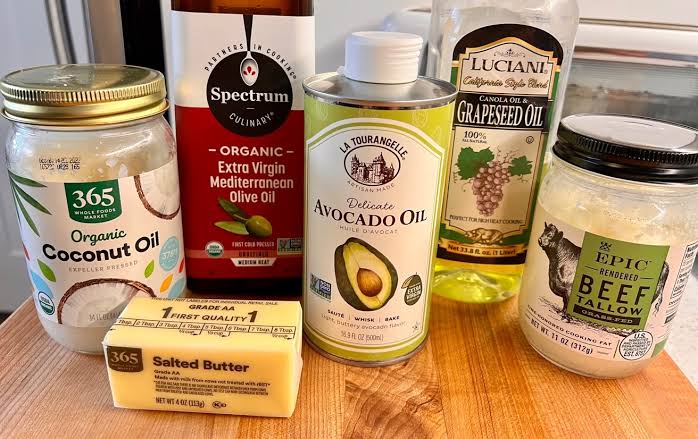
In recent years, traditional cooking fats have made a noticeable comeback in many kitchens, and beef dripping is one of the best examples. Once considered an old-fashioned ingredient, it is now valued again for its flavour, high cooking performance, and connection to traditional food culture. In Ireland, beef dripping has a particularly strong association with home cooking, rural life, butcher shops, and classic comfort food. While modern consumers have many options — from olive oil and sunflower oil to butter, lard, and coconut oil — beef dripping still holds a special place in Irish cooking.
Beef dripping is the rendered fat from beef. Traditionally, it was collected during the roasting or cooking of beef and then strained and stored for later use. In older Irish households, very little food was wasted, and dripping was a practical way to preserve both calories and flavour. It could be spread on bread, used for frying potatoes, added to pastry, or used to cook vegetables and meat. For many families, it was not just a cooking fat but a familiar part of everyday meals.
One of the main reasons beef dripping remains popular in Ireland is its deep, savoury flavour. Unlike neutral vegetable oils, dripping adds a rich beefy taste to food. This makes it especially suitable for dishes that depend on warmth, depth, and heartiness. Fried potatoes, roast vegetables, Yorkshire puddings, chips, and meat pies can all benefit from the flavour of beef dripping. In traditional chip shops, frying chips in beef dripping gives them a crisp exterior, a soft centre, and a distinctive aroma that many people associate with proper old-style cooking.
Compared with butter, beef dripping has a much higher smoke point. Butter burns relatively easily because it contains milk solids, which can brown and scorch at high temperatures. Beef dripping, by contrast, can handle intense heat, making it excellent for frying and roasting. This is one reason it is often preferred for crispy potatoes or deep-fried foods. It allows food to cook quickly and evenly without breaking down as easily as some more delicate fats.
Vegetable oils such as sunflower, rapeseed, and soybean oil are widely used because they are affordable, convenient, and mild in taste. They are also easy to buy in large quantities. However, their neutral flavour can be both an advantage and a disadvantage. For dishes where the fat should not influence the taste, vegetable oils are useful. But for traditional Irish dishes, where richness and character matter, beef dripping can produce a more satisfying result. It does not simply cook the food; it becomes part of the flavour profile.
Olive oil, especially extra virgin olive oil, is often associated with Mediterranean cooking and is popular for dressings, salads, and lighter dishes. It has a distinct fruity taste and is valued for its place in a balanced diet. However, it does not always suit Irish comfort foods. Using olive oil for chips, roast beef potatoes, or traditional pies can change the character of the dish. Beef dripping feels more natural in these recipes because it matches the heavier, meat-based flavours common in Irish and British Isles cuisine.
Lard is another traditional animal fat and is made from pork. Like beef dripping, it was once common in Irish homes and bakeries. It is excellent for pastry because it creates a flaky texture, and it has a softer flavour than beef dripping. The main difference is taste. Lard is more neutral, while beef dripping has a stronger savoury identity. For people who want a clean, crisp frying fat with a meaty richness, dripping is often preferred. However, lard may be better where a lighter flavour is needed.
Duck fat has become fashionable in modern cooking, especially for roast potatoes. It produces a luxurious texture and a rich taste, but it is usually more expensive than beef dripping and less connected to everyday Irish food traditions. Beef dripping is more accessible and historically more practical. Ireland has a long history of cattle farming, so beef products have always been central to the national food culture. Dripping naturally fits into this agricultural background.
Butter also plays an important role in Ireland, especially because Irish dairy is internationally recognised for its quality. Irish butter is famous for its creamy texture and rich colour. It is excellent for baking, sauces, toast, and gentle frying. But when it comes to high-heat cooking, beef dripping often performs better. Many cooks use both: butter for flavour in lower-temperature cooking, and beef dripping for roasting and frying. Each fat has its place, but dripping is particularly strong where crispness and depth are needed.
The popularity of beef dripping in Ireland is not only about taste and technique. It is also about memory. For many Irish people, the smell of potatoes frying in dripping or meat roasting in its own fat is linked to childhood, family meals, and traditional kitchens. Food is emotional, and beef dripping carries a sense of nostalgia. It reminds people of a time when cooking was slower, ingredients were used carefully, and meals were built around local produce.
There is also a growing interest in nose-to-tail eating, which encourages using as much of the animal as possible. In this context, beef dripping feels sustainable and respectful. Instead of discarding beef fat, it is rendered and turned into a useful cooking ingredient. This approach suits traditional Irish values of thrift and practicality, while also appealing to modern consumers who want to reduce waste.
Of course, beef dripping in Ireland is not suitable for every diet or every dish. It is an animal fat and contains saturated fat, so it is usually best used in moderation. People following vegetarian, vegan, or certain health-focused diets may avoid it. For lighter meals, salads, or plant-based cooking, oils such as olive or rapeseed may be more appropriate. The key is not to treat beef dripping as the only cooking fat, but as one valuable option among many.
In Irish cooking, beef dripping stands out because it combines flavour, tradition, and function. It gives food a deep savoury character, performs well at high temperatures, and connects modern kitchens with older culinary habits. While vegetable oils, butter, olive oil, lard, and duck fat all have their strengths, beef dripping remains especially suited to the hearty, comforting dishes that many people associate with Ireland.
Its renewed popularity shows that traditional ingredients can still have a place in contemporary cooking. Beef dripping is not merely a relic of the past. It is a practical, flavourful, and culturally meaningful fat that continues to earn its place in Irish kitchens. For those who want crisp roast potatoes, authentic chip-shop chips, or a deeper savoury taste, beef dripping offers something that many other fats cannot easily replace.

