
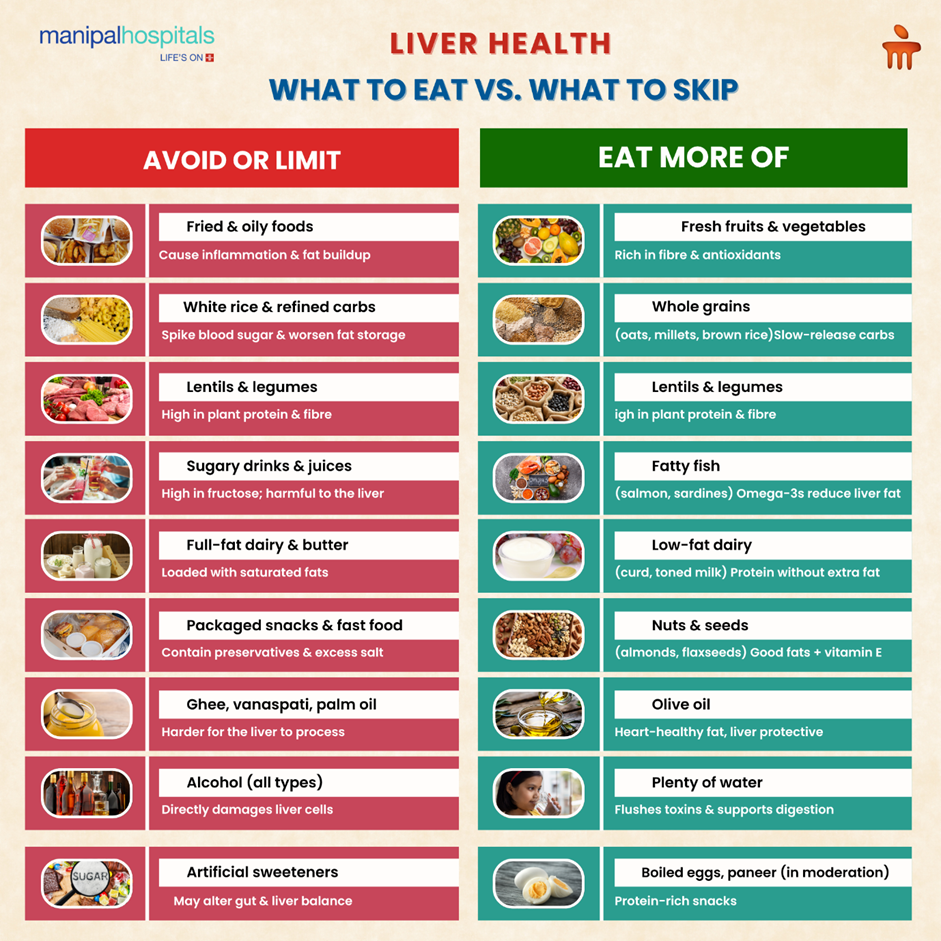
Figuring out what to eat when you have liver cirrhosis can feel overwhelming at first. Your liver can no longer process nutrients efficiently, so every meal matters. The right diet helps slow disease progression, prevent malnutrition, and manage complications like ascites and encephalopathy.
What Food Is Good for Liver Cirrhosis?
Focus on nutrient-dense, whole foods. Fruits, vegetables, whole grains, and lean proteins form the foundation. Specifically beneficial choices include:
- Oatmeal and brown rice for sustained energy
- Leafy greens, berries, and citrus fruits rich in antioxidants
- Fish, chicken, eggs, and legumes for quality protein
- Olive oil and avocados as healthy fat sources
A 2021 review in Nutrients confirmed that plant-based proteins are gentler on the liver compared to red meat. Dairy protein is also preferable — yogurt, cottage cheese, and milk are solid options.
Can You Eat Eggs With Cirrhosis?
Yes. Eggs are actually an excellent protein source for cirrhosis patients. They’re easy to digest and rich in essential amino acids. One to two eggs daily is generally safe, though your dietitian may adjust this based on your specific condition.
Is Chicken Good for Liver Cirrhosis Patients?
Chicken and other lean poultry are recommended over red or processed meats. Bake, steam, or grill it — avoid frying. Deep-fried foods add unnecessary trans fats that burden your liver further.
What Vegetables Are Good for Cirrhosis?
Broccoli, spinach, carrots, beets, and bell peppers top the list. These provide vitamins K, C and B-complex — micronutrients that cirrhosis patients commonly lack. A 2020 study in Hepatology International showed that higher vegetable intake correlated with reduced risk of hepatic encephalopathy.
Liver Cirrhosis Foods to Avoid
This part is just as important as knowing what to eat:
- Alcohol — absolutely none, even “just a little”
- Sodium above 2,000 mg daily (watch hidden salt in canned soups, sauces, and even some medications)
- Raw shellfish and undercooked meats due to infection risk
- Processed meats like bacon, sausage, and deli cuts
- Sugary drinks and excess refined carbohydrates
Be cautious with “low-salt” substitutes too — many contain potassium chloride, which can cause heart problems when combined with certain diuretics. If you’re exploring additional ways to support your overall health, supplements such as https://www.amazon.com/Nutricost-N-Acetyl-L-Cysteine-600mg-Capsules/dp/B01CUQFKW4 may be worth discussing with your healthcare provider to ensure they’re appropriate for your individual circumstances.
How to Stop Cirrhosis From Getting Worse
Diet alone won’t do it, but its a major factor. Aim for 16–18 calories and 0.45–0.68 grams of protein per pound of body weight daily. For someone weighing 150 lbs, thats roughly 2,400–2,700 calories and 68–102 g of protein.
Eat small meals every 2–3 hours instead of three large ones. A bedtime snack — like crackers with cheese or a banana with hot chocolate — prevents overnight muscle breakdown. Coffee drinkers: a 2016 meta-analysis in Alimentary Pharmacology & Therapeutics found that 2–3 cups daily reduced fibrosis progression.
Stay hydrated, but if you have ascites, your doctor may restrict fluids to 1–1.5 liters per day.
FAQ
Is banana good for liver cirrhosis? Yes, bananas provide potassium and quick energy. However, if you’re on potassium-sparing diuretics, check with your doctor first.
Can you live 25 years with cirrhosis? Compensated cirrhosis patients can live decades with proper management. Diet, medication adherence, and avoiding alcohol are key factors in long-term survival.
Does the diet differ by stage? Absolutely. Compensated cirrhosis allows more dietary flexibility, while decompensated cirrhosis requires stricter sodium and sometimes fluid restrictions.
Final Thoughts
Managing cirrhosis through diet isn’t just possible — its one of the most impactful things you can do. Work with a hepatologist or registered dietitian to build a personalized plan. Small, consistent changes add up, and your liver will thank you for every good choice you make.

